Insights / Homeowner decisions

Whole-Home Remodel vs. Moving

Love your neighborhood but not your floor plan? Compare the real financial and lifestyle trade-offs before deciding whether to transform the home you have or purchase a different one.

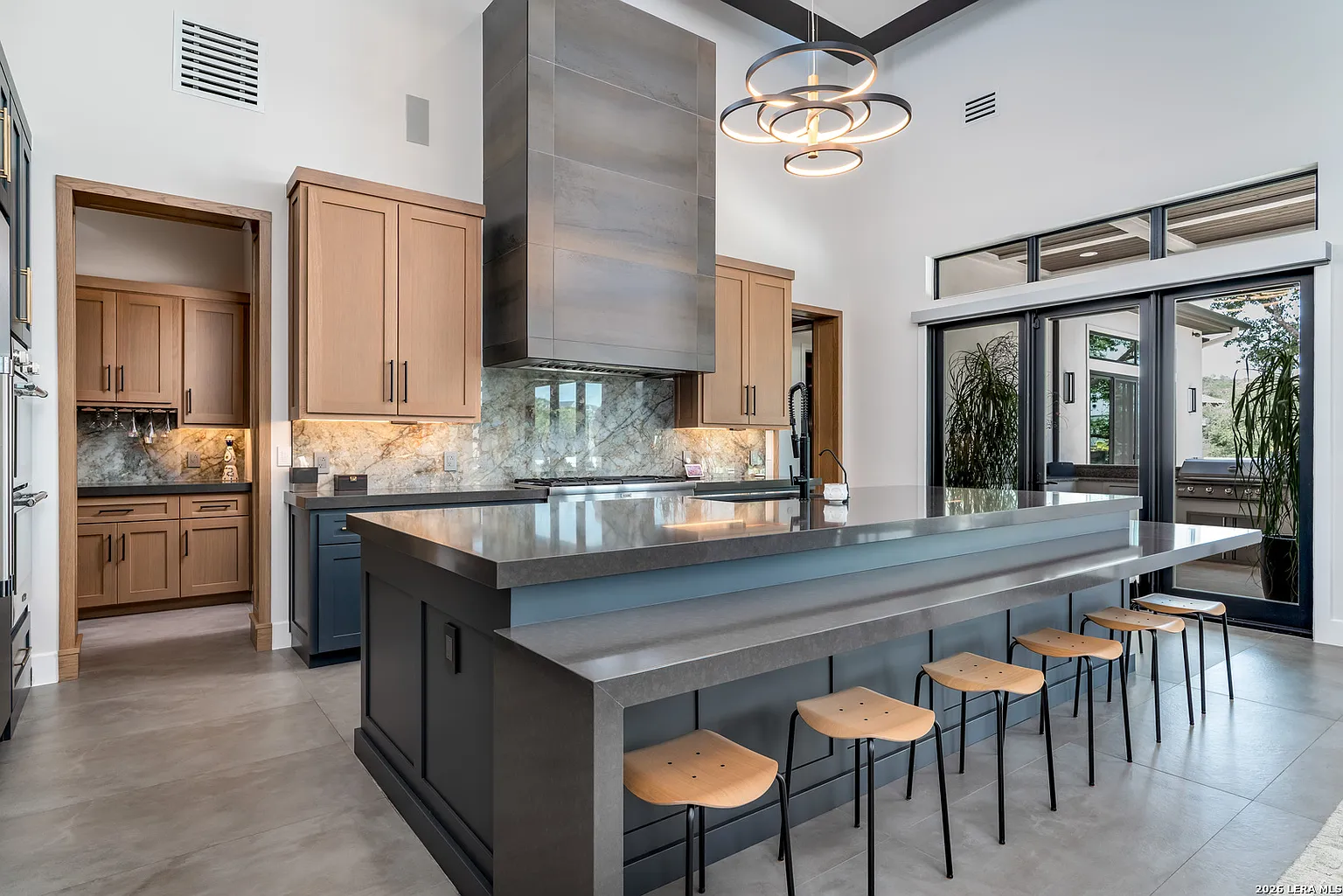
Bright open kitchen and living area representing the potential of a whole-home renovation
Two legitimate paths

There is no automatic winner.

Renovating keeps your location and can tailor a home to your lifestyle. Moving may be wiser when the lot, structure or neighborhood cannot deliver what you need. Both options have costs that are easy to overlook.

Option A / Transform

Remodel your current home

Potentially the better choice when you value the location, have a workable structure and want control over the design.

  • Stay in a neighborhood you know
  • Personalize circulation, rooms and finishes
  • Avoid selling and repurchasing transaction costs
  • Expect construction disruption and change risk
Option B / Relocate

Purchase another home

Potentially the better choice when fundamental limits of the current property would be costly or impossible to resolve.

  • Find a different lot, layout or school zone
  • Compare finished properties before buying
  • Consider agent fees, moving costs and financing
  • Allow for repairs or customization after purchase
Side-by-side

Look past the headline price.

Use the same time horizon to compare both choices. Numbers will vary by your property, financing and market conditions.

Decision factorRemodelMove
Initial cash needsDesign, engineering, permits, construction, contingency and temporary housing if neededDown payment, closing costs, inspections, deposits and moving expenses
Existing home equityMay support financing, subject to lender eligibility and appraisalSale proceeds after mortgage payoff and selling expenses may fund the next purchase
Monthly obligationsExisting mortgage terms may be retained; renovation financing could add a paymentNew mortgage interest rate, taxes, insurance and association costs may differ
LocationKeep your lot, commute and communityOpportunity to change neighborhood, commute, schools or lot
Physical limitationsLoad-bearing structure, setbacks, utilities and code can limit the outcomeChoose a house with a more suitable footprint, subject to inventory and due diligence
DisruptionDust, noise, limited rooms, possible temporary move-outListing, showings, packing, closing and relocation
Long-term valueDepends on improvements and local resale comparables; full cost may not be recoveredDepends on purchase price, neighborhood and future property condition
Interior renovation materials and finish samples
The real renovation budget

What belongs in a remodel estimate?

Construction is only one line in the decision. Include plans and engineering where needed, permits, demolition, structural corrections, electrical and plumbing changes, finished materials, labor, and a contingency for properly documented unforeseen conditions.

If you cannot live comfortably in the home during construction, add short-term housing, storage and moving costs. Consider how your lender will treat project draws, appraised value and financing fees.

Whole-Home Remodeling Services
Decision signals

Which direction fits your situation?

Remodel may fit

You love the location.

The property has reasonable room to adapt, the structure is suitable and improvements align with a long-term plan to stay.

Moving may fit

The property is the problem.

You need a different lot, fundamentally more land, another location or a layout the current building cannot economically support.

Investigate first

The numbers are close.

Request a project feasibility discussion, construction budget assumptions, a property valuation and mortgage scenarios before choosing.

A useful exercise

Build an apples-to-apples worksheet

Renovation column

Add construction proposal, design, permits, contingency, financing costs, temporary living arrangements and expected resale value after work. Note what is excluded from the builder's scope.

Moving column

Add selling expenses, purchase closing costs, mortgage changes, repairs, moving expenses, insurance and taxes. Compare candidate homes' condition and likely improvements after move-in.

These comparisons are educational, not an appraisal, financing recommendation or promise of return on investment. Consult qualified financial, real estate and design professionals for your specific decision.

Homeowner FAQ

Questions worth asking first

Does a whole-home remodel increase resale value dollar for dollar?

Not necessarily. Resale value depends on comparable homes, buyer preferences, quality, location and the scope of improvements.

Can I change a floor plan without moving?

Often, but the answer depends on structural systems, utilities, current layout, site restrictions and budget. Feasibility should be evaluated before promising a design.

Is a renovation loan always better than a new mortgage?

No. The appropriate financing depends on rates, equity, credit, fees, terms and eligibility. Compare actual loan offers with a qualified lender.

Start with the home you own

Explore what's feasible before deciding to move.

Share your address and the changes you have in mind. Graceson can discuss your potential renovation scope and next planning steps.

Request a Remodeling Consultation